

Designing a Four-Season Room for Madison’s Climate
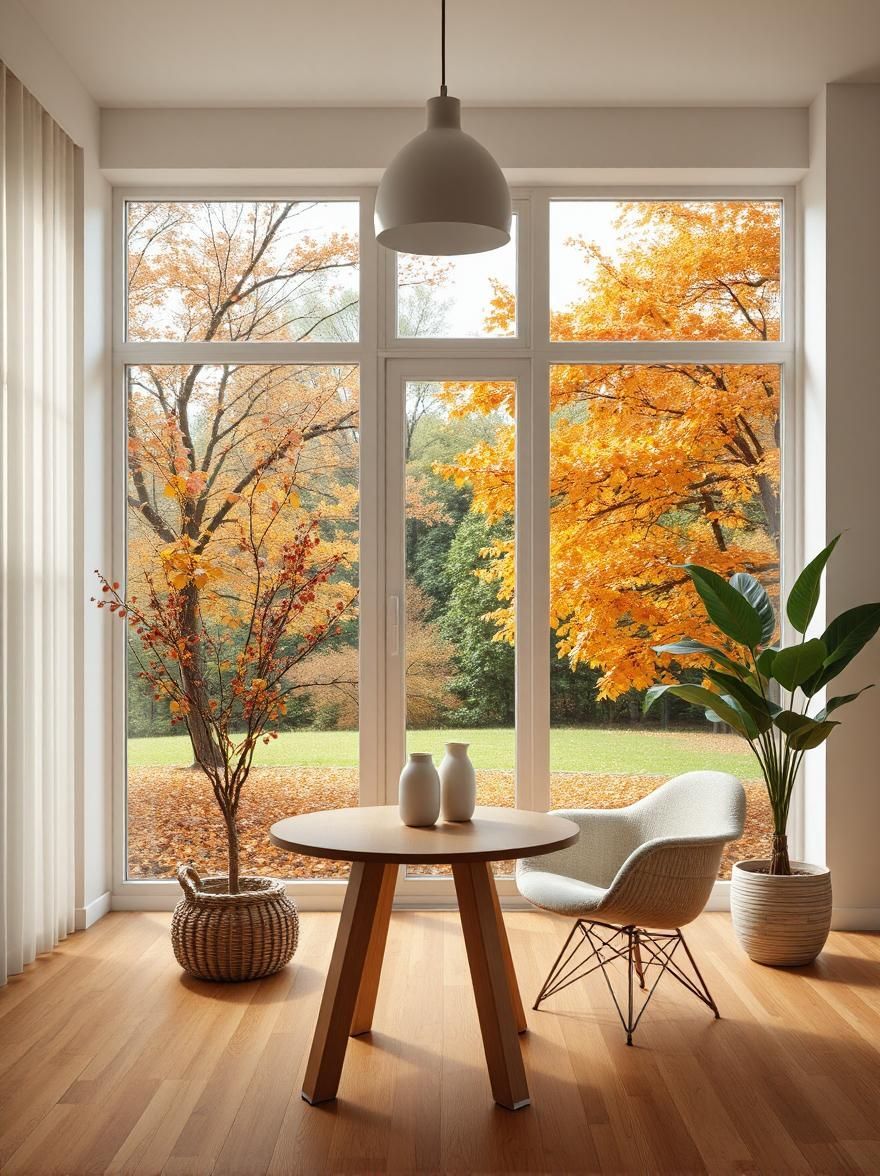
How Madison homeowners can create a comfortable, energy-efficient space that performs through frigid winters, humid summers, and everything in between
A four-season room can be one of the most practical and valuable additions to a home in Madison, Wisconsin. Unlike a basic sunroom that may only be comfortable part of the year, a true four-season room is designed to handle the full range of Wisconsin weather. That means bitter winter temperatures, spring rain, summer humidity, and cool fall nights all need to be part of the plan from day one.
For homeowners in Madison, a four-season room is not just about adding square footage. It is about creating a space that feels connected to the outdoors without being at the mercy of the climate. Whether the goal is a bright family room, a home office with a view, a relaxed dining space, or a year-round retreat, the design has to be built around performance as much as appearance.
Start With Madison’s Weather Reality
Madison’s climate is demanding. Winters are long and cold, summers can be hot and muggy, and the shoulder seasons bring wide temperature swings. A room that looks great in photos but is drafty in January or overheated in July will quickly become wasted space.
That is why a successful four-season room in this market starts with the right construction approach. It needs to feel like a natural extension of the home, not like a porch that was simply enclosed and upgraded later. The insulation, windows, flooring, and HVAC setup all need to be planned specifically for year-round use.
Prioritize Energy Efficiency From the Beginning
In Madison, energy efficiency is not an upgrade. It is a requirement. Large windows are usually one of the biggest features of a four-season room, but glass can also be one of the biggest sources of heat loss and heat gain if the wrong products are used.
Homeowners should focus on high-performance windows with strong insulating value and low-emissivity coatings. These features help reduce heat loss during winter while limiting excessive solar heat in the summer. Well-sealed frames also matter. Even the best glass will not perform well if air leakage becomes a problem.
The walls and ceiling need proper insulation as well. If the room is going to be used daily, it has to be built to deliver comfort consistently. Skimping on insulation may lower the upfront cost, but it usually leads to higher energy bills and a room that never feels quite right.
Think Carefully About Sun Exposure
The orientation of the room has a major impact on comfort. In Madison, a south-facing four-season room can bring in valuable natural light and passive warmth during colder months, but it can also become too hot in the summer without the right design controls. West-facing rooms often get intense afternoon sun, which may create glare and overheating. North-facing rooms tend to have softer, more even light, but they may feel cooler.
This is where design needs to balance aesthetics and function. Window placement, roof overhangs, blinds or shades, and even the choice of glazing can make a major difference. The goal is to bring in natural light without creating a room that is difficult to regulate.
A beautiful room should not force the homeowner to keep the blinds closed half the year.
Choose Materials That Can Handle Seasonal Changes
Madison’s freeze-thaw cycles and humidity swings can be hard on building materials. A four-season room should be designed with durable, low-maintenance products that can stand up to those conditions over time.
Flooring is one area where this matters a lot. Some materials expand and contract too much with seasonal shifts, while others are better suited for spaces with changing light and temperature exposure. Moisture-resistant, durable flooring options are usually the safer long-term investment.
Exterior materials also need to be selected carefully so the addition blends with the existing home while holding up against snow, rain, and UV exposure. A well-designed room should look like it belongs there, not like an add-on that ages faster than the rest of the house.
Make Heating and Cooling Part of the Core Design
One of the biggest mistakes in four-season room design is treating comfort systems as an afterthought. If the room is going to function all year, heating and cooling must be addressed early.
In some cases, extending the home’s existing HVAC system may work. In others, a dedicated solution such as a ductless mini-split may be the better option. The right answer depends on the room’s size, insulation levels, window area, and how the rest of the home is currently set up.
What matters is that the room can maintain a consistent temperature in every season. Homeowners should not have to rely on portable heaters in winter or fans in summer to make the space usable.
Design for Real Daily Use
A four-season room should support the way the homeowner actually lives. That sounds obvious, but too many additions are designed around a vague idea of “extra space” instead of a clear purpose.
In Madison homes, four-season rooms often work well as casual living rooms, breakfast areas, reading rooms, hobby spaces, or work-from-home environments. Each use changes the design priorities. A home office may need stronger control over glare and temperature. A family room may need better traffic flow and durable finishes. A dining space may benefit from larger windows and stronger lighting design.
The more clearly the room’s function is defined, the better the final result will be.
Blend the New Room With the Existing Home
A four-season room should feel integrated, not disconnected. That means the design should complement the architecture of the home, both inside and out. Rooflines, window styles, flooring transitions, trim details, and exterior finishes all play a role.
Inside, the room should feel like a natural part of the home’s layout. Outside, it should enhance curb appeal rather than compete with the original structure. In a city like Madison, where neighborhoods often have strong architectural character, thoughtful integration matters.
A well-designed four-season room adds comfort and style. A poorly matched one can make the home feel pieced together.
Do Not Overlook Moisture and Ventilation
Wisconsin homes deal with snow, wet springs, and summer humidity. That makes moisture management critical. Proper flashing, sealing, ventilation, and drainage details are not optional. They are what protect the investment.
Condensation can also become an issue in rooms with large glass areas, especially in winter. Good ventilation and proper thermal design help reduce that risk. This is another reason why the room should be built as a true conditioned space rather than treated like a lightly upgraded porch.
A Smart Investment for Madison Homeowners
A four-season room can add much more than visual appeal. When it is designed correctly, it creates usable living space, expands how a home functions, and adds year-round enjoyment. In Madison’s climate, the difference between a room that works and one that disappoints comes down to design decisions made early.
The best results come from building with the local climate in mind, using quality materials, and making sure the room is designed for comfort in every season. Homeowners who do that can gain a bright, inviting space that feels just as enjoyable in January as it does in July.
At Property Revival, thoughtful design and quality workmanship matter. A four-season room should not just look good on the day it is finished. It should keep performing for years in the demanding Madison climate.